
Grain Sack Care Guide – How to Wash & Maintain Antique Hemp Cushions
Authentic grain sack cushions are not ordinary textiles, they are antiques, more than a century old, hand-woven circa 1900, made from coarse European hemp. With the right care, these pieces will last another century. This complete grain sack care guide walks you through washing, drying, ironing, stain removal and long-term storage so your Medreana cushions stay beautiful for generations.
- How to Care for Antique Grain Sack Cushions – Step by Step
- Removing Common Stains from Antique Grain Sacks
- Storage Tips for Antique Grain Sack Textiles
- When to Seek Professional Textile Conservation
- Frequently Asked Questions About Antique Grain Sack Care
Use this grain sack care guide as your reference…
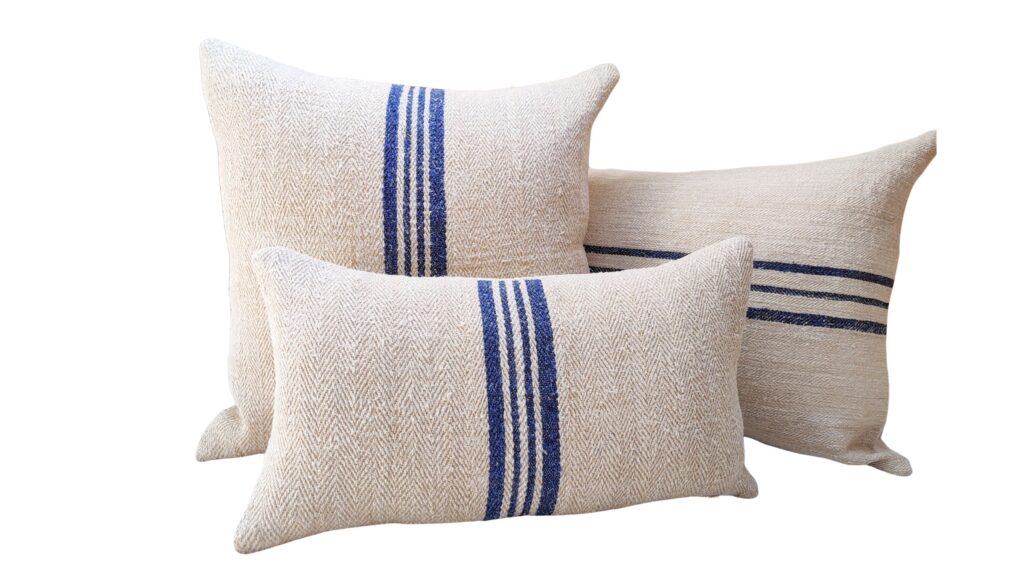
How to Care for Grain Sack Cushions – Step by Step
Grain sacks were originally made to hold grain, built to be washed repeatedly by farmwomen across Eastern Europe. The hemp fiber is robust, but the age of the fabric calls for a gentle, mindful approach.
1 – Washing
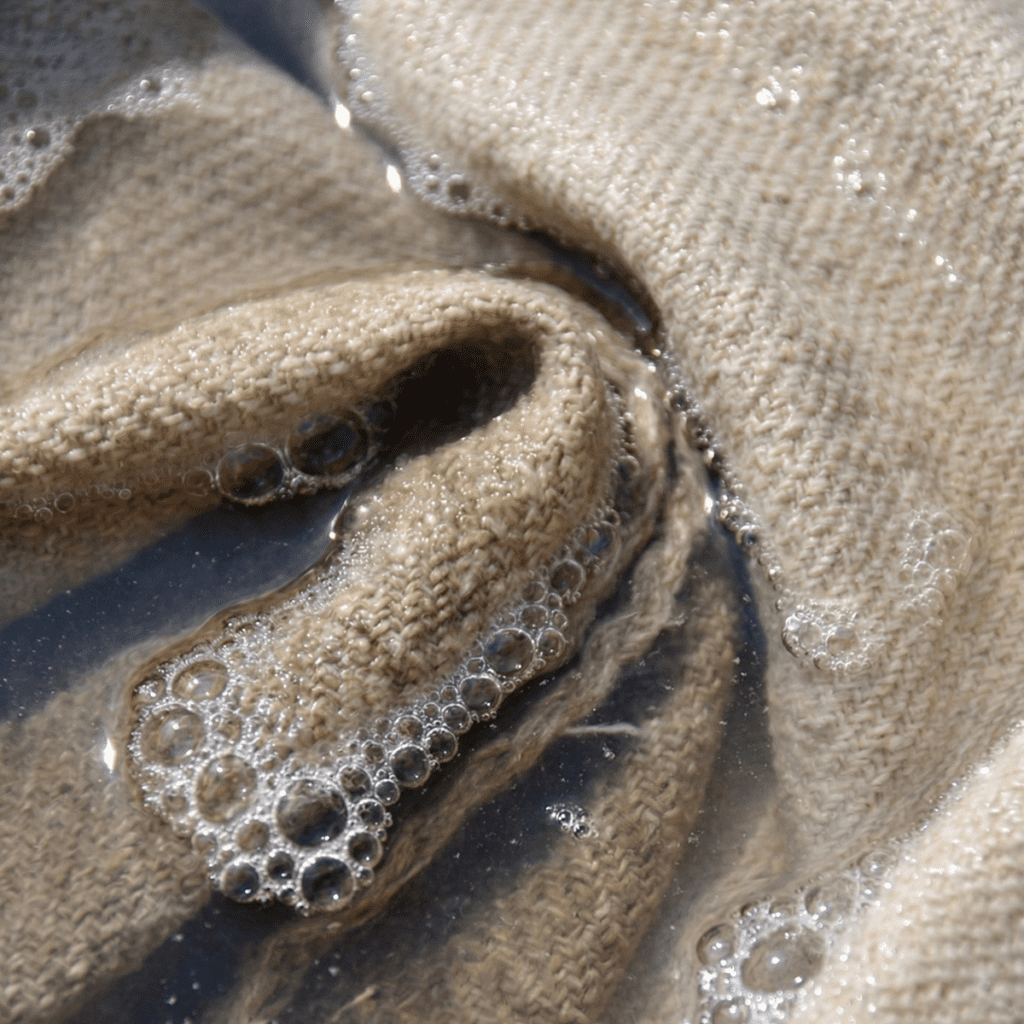
Hand wash or machine wash on a gentle cycle with low spin. Use a mild, pH-neutral detergent (wool wash or baby detergent works well). Never use bleach; it breaks down vintage hemp fibers and fades handwoven stripes permanently. Low spin is critical to prevent deep, stubborn creases in the thick weave.
2 – Drying
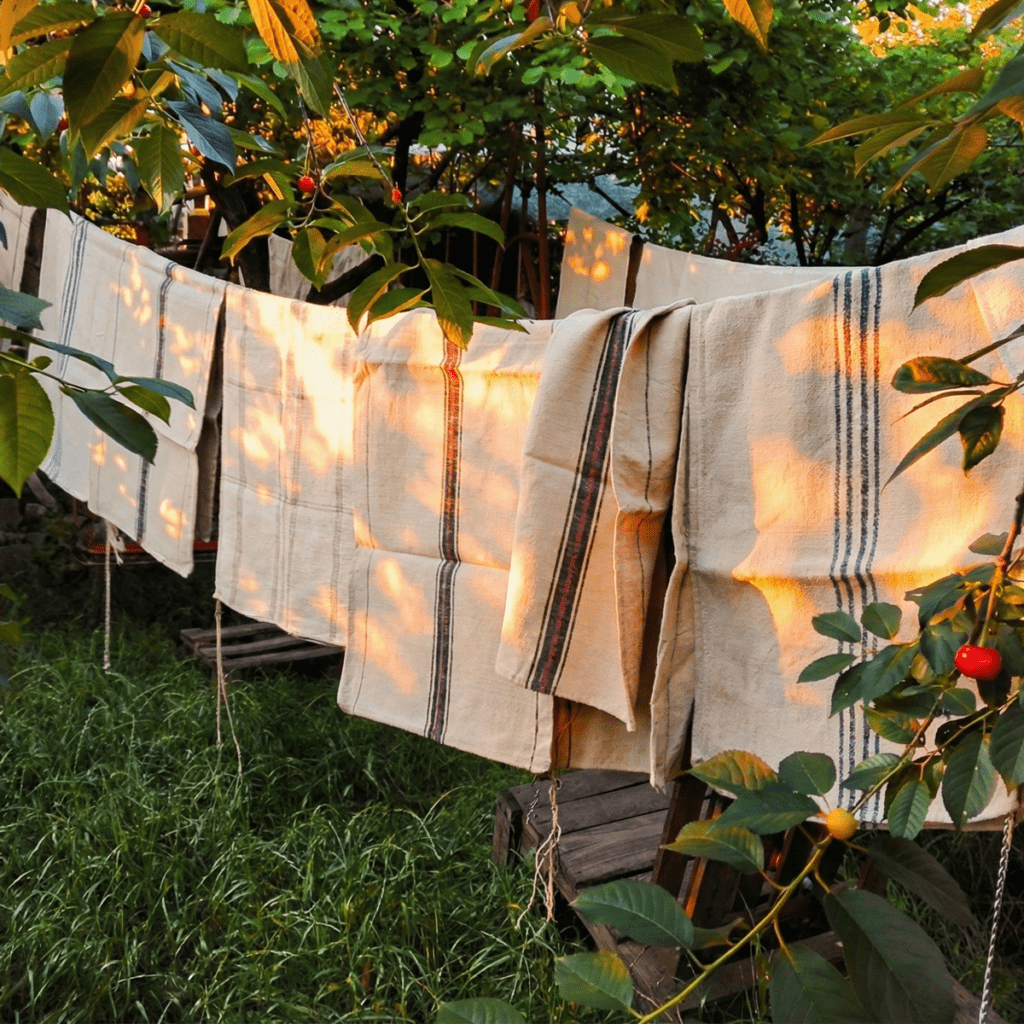
Air dry only. Lay the sack flat on a clean surface or hang it outdoors. Never use a tumble dryer; heat and mechanical rotation will crumple the thick weave into creases that are almost impossible to iron out afterward. Sunlight is a natural disinfectant and brightener for undyed hemp; a few hours outside is beneficial.
3 – Ironing
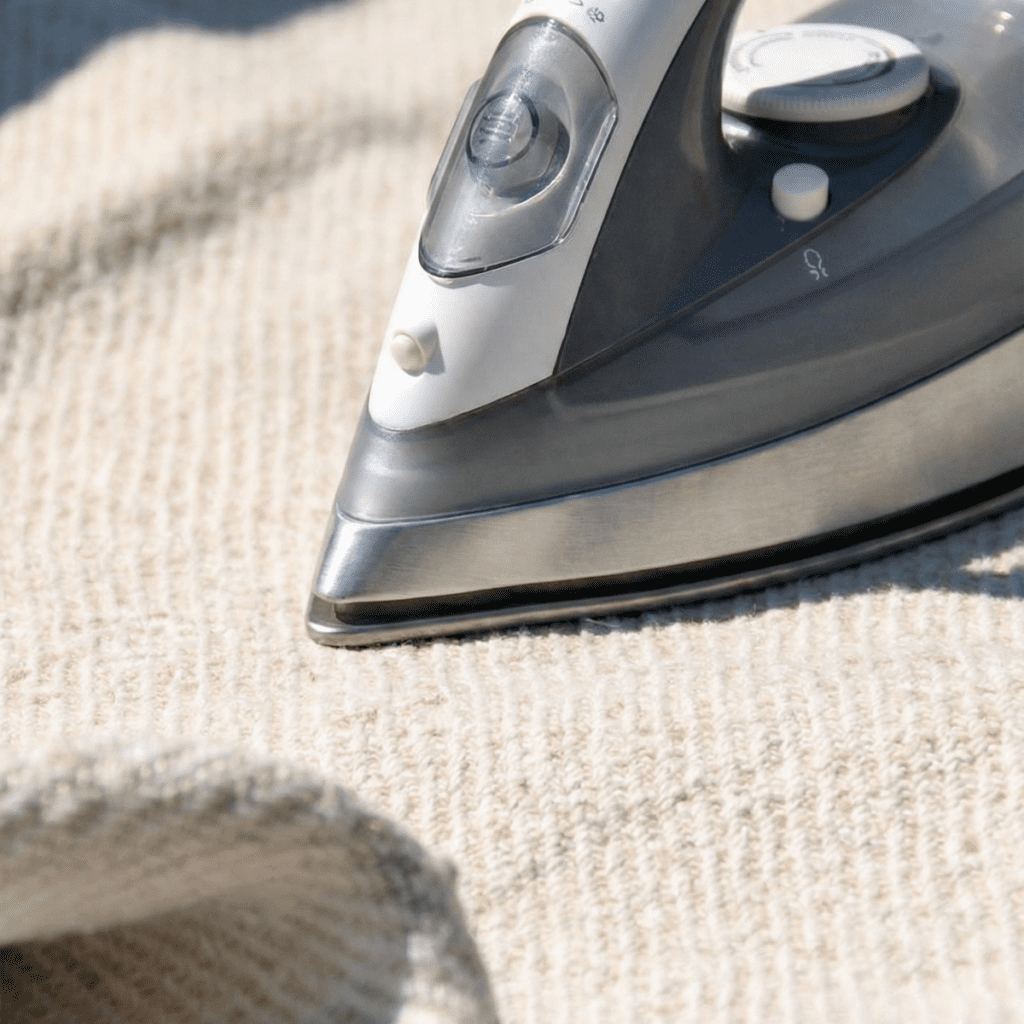
Iron while the fabric is still slightly damp; this is the most important step for a smooth result. Use the maximum heat setting (linen/cotton setting on most irons). High heat combined with residual moisture is the only reliable way to smooth the dense, centuries-old hemp weave. A steam iron or pressing cloth helps protect the woven stripes and any hand-stitched elements.
Removing Common Stains from Grain Sacks
Act quickly – fresh stains are always easier to treat on natural hemp than set-in ones. Avoid rubbing; always blot from the outside in to prevent the stain from spreading.
Oil & Grease Stains
- Sprinkle a generous layer of cornstarch or baking soda directly onto the stain.
- Let it sit for 30 minutes to absorb the oil.
- Brush off the powder gently with a soft brush.
- Wash normally on gentle cycle with cold water.
Wine, Berry or Juice Stains
- Blot immediately with a clean cloth and cold water – never hot, which sets the stain.
- Apply a small amount of undiluted white vinegar to the stain.
- Let sit for 10–15 minutes, then rinse thoroughly with cold water.
- Air dry and check before ironing – heat can permanently set any remaining residue.
Mold or Mildew
- Mix 1 part white vinegar with 4 parts cold water.
- Submerge or soak the affected area for 1 hour.
- Wash on gentle cycle, then air dry in direct sunlight – UV light kills remaining mold spores naturally.
Hemp is naturally antimicrobial and mold-resistant. If mold appears, it usually means the textile was stored in a damp environment; always ensure thorough drying before storage.
Storage Tips for Antique Grain Sack Textiles
Proper storage is the final step in any grain sack care guide. How you store grain sacks between uses matters as much as how you wash them. Incorrect storage is the primary cause of irreversible yellowing, brittleness and pest damage in antique hemp fabrics.
- Cool, dry location – avoid basements and attics where humidity fluctuates.
- Breathable cotton storage bags – never plastic; sealed plastic traps moisture and accelerates fiber degradation.
- Away from direct sunlight – UV fades dyes and weakens fibers over long periods.
- Lavender sachets – a natural, chemical-free moth and insect repellent.
- Acid-free tissue paper – layer between folded pieces to prevent crease lines from setting permanently.
- Roll, don’t fold, if possible – for large pieces, rolling around an acid-free tube prevents sharp fold marks.
When to Seek Professional Textile Conservation
Most grain sacks respond well to home care. However, some situations call for a professional textile conservator; the right choice protects a piece that may be irreplaceable.
- Extremely fragile or brittle fabric – if the hemp feels like paper or tears easily at folds.
- Very old or set-in stains – stains that have been present for 50+ years may require specialist treatment.
- Visible pest damage – moth holes or larvae signs require professional assessment before washing spreads damage.
- Colors are bleeding – dyed stripes that bleed into the fabric need stabilization before any washing.
- Structural repairs needed – torn seams, fraying edges, or loose weave threads should be stabilized by a conservator first.
To find a qualified conservator, contact your national textile conservation institute for a qualified referral. Always describe the age and fiber type when asking for a referral.
Antique Grain Sack Care Guide – Frequently Asked Questions
Yes. Use the gentle or delicate cycle with cold water and a low spin speed. A mesh laundry bag adds extra protection for older, more fragile pieces.
Minimal shrinkage of 1–2% is expected, primarily on the first wash. Always air dry flat rather than in a dryer to keep shrinkage to a minimum. Ironing while damp restores the original dimensions.
Only when visibly soiled. Hemp is naturally antimicrobial and odor-resistant, so frequent washing is unnecessary and causes unnecessary wear on antique fibers. Spot cleaning between washes is usually sufficient.
Yes – and it’s highly recommended for the best appearance. Iron while slightly damp on the maximum heat (linen/cotton) setting. A steam iron gives the best results on the thick hemp weave.
Cold water (30°C / 86°F maximum). Hot water can cause uneven shrinkage and may accelerate deterioration of aged hemp fibers.
We advise against it. Fabric softeners coat fibers with chemicals that can accumulate in antique textiles and alter the natural texture and feel of the woven hemp over time.
Caring for History – A Final Word
Each Medreana grain sack cushion has already survived more than a century of European farmhouse life. With the gentle care outlined in this antique grain sack care guide, your piece will outlast another hundred years, becoming a future heirloom in your home, just as it once was in someone else’s.
The beauty of antique hemp textiles lies in their imperfections: the uneven weave, the faded stripes, the hand-stitched seams. Washing with care preserves these details rather than erasing them.
Ready to bring home a piece of textile history?
Browse our curated collection of authentic antique grain sack cushions – each one hand-selected and carefully vetted for quality.